
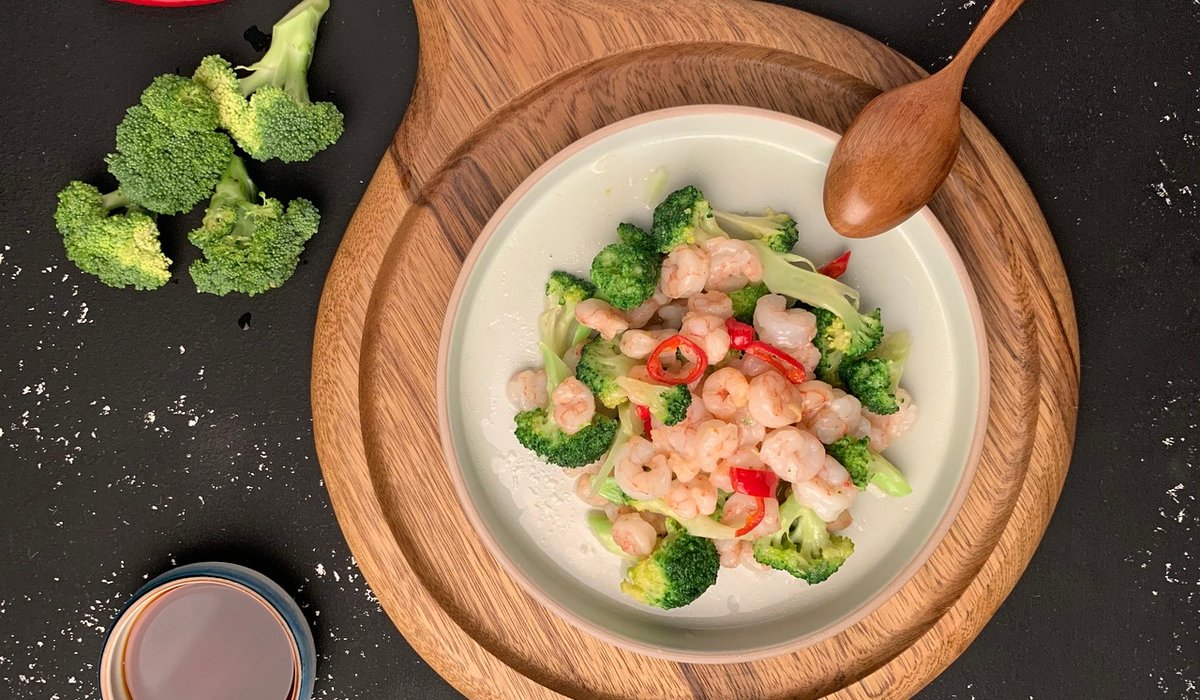
Developing Balanced Flavours in Everyday Home Recipes
The Four Dials Behind Every Pot
Most home cooks can follow a recipe perfectly and still end up with something that tastes… fine. Not bad, but not memorable. Usually it isn't a problem with technique or ingredients — it's balance. Every dish you cook sits on four dials: salt, acid, fat and heat. Learning to nudge those dials rather than sticking rigidly to a script is the fastest way to improve your cooking.
The good news is you don't need a chef's palate. You need a spoon, a few spare minutes, and a willingness to taste repeatedly while the food is still on the hob. Everything below works on soups, sauces, stews, curries, gravies and even a simple bowl of beans.
Salt: The Volume Knob
Salt doesn't just make food salty. It suppresses bitterness and pushes everything else forward — the sweetness of onions, the savoury depth of stock, the fragrance of herbs. Under-salt a dish and it tastes thin and muddy; over-salt it and nothing else gets a look in.
Add salt in small passes and taste between them. For a two-litre pot of soup, start with half a teaspoon of fine sea salt, stir, wait thirty seconds for it to dissolve, then taste. You'll often need one to two teaspoons in total, and starchy soups with potatoes or lentils will take more.
- Tastes flat but not salty: add another pinch of salt before you reach for anything else.
- Tastes watery: salt helps, but a splash of soy sauce or a teaspoon of miso adds salt and depth together.
- Gone too far: add bulk (more stock, potatoes, a spoon of cream) or a squeeze of lemon — acid makes salt read less aggressively without removing it.
Acid: The Lift Most Home Cooking Is Missing
If there's one adjustment that transforms home cooking, it's acid. A stew that tastes heavy, a soup that tastes sweet, a tomato sauce that tastes dull — nine times out of ten, a little acid sorts it. Acid cuts through fat, sharpens sweetness and makes flavours feel brighter and cleaner.
Add acid at the very end, off the heat, or at least in the final few minutes, so it stays lively. Keep it small: a teaspoon at a time in a two-litre pot.
- Lemon or lime juice for soups, curries, fish stews and anything with coconut.
- Cider or sherry vinegar for lentil stews, bean dishes and root vegetable soups.
- Red wine vinegar for tomato sauces and ragù — half a tablespoon in a large pan.
- Balsamic for roasted vegetables and anything built on sweet onion.
- Yoghurt, crème fraîche or tamarind when you want acidity with body.
If your food tastes "almost there but slightly dull", try a squeeze of lemon before adding anything else. It's remarkable how often that's the whole answer.
Fat: The Carrier and the Comfort
Fat carries flavour compounds that water can't, which is why a sauce finished with a knob of butter tastes rounder than one made without. Fat also adds richness and body, softening sharp notes and giving a dish weight on the tongue.
If a soup tastes thin despite plenty of vegetables, a spoonful of olive oil, butter or cream will fix it more effectively than more seasoning. Add fat in small amounts — around 10g of butter or a tablespoon of good olive oil at the end of cooking, stirred through rather than boiled hard. And don't overlook the fat already there: if you skimp on oil when frying onions, you'll be fighting for flavour later.
Heat: Chilli Warmth and Cooking Heat
Heat in cooking means two things, and both matter.
The first is pungency — the warmth of chilli, ginger, mustard, black pepper. Warmth adds energy and draws out richness, but it should sit behind the flavours rather than in front of them. Build it in layers: dried chilli or flakes early so they soften into the oil, fresh chilli or a coarse grind of black pepper late for a sharper bite. If a dish tastes hot but flat, it usually needs salt and acid rather than less chilli.
The second is pan temperature. Browning is flavour. Without it, stews taste of boiled meat and vegetables rather than something deeper. Give onions a proper ten to fifteen minutes until golden, brown meat in batches with space around the pieces, and don't crowd the pan. That colour is the savoury foundation everything else will stand on.
A Simple Order for Fixing a Flat Pot
Next time a stew or sauce tastes like it's missing something, work through these in order rather than guessing.
- Salt first. A pinch, stir, taste.
- Acid second. A teaspoon of lemon juice or vinegar, stir, taste.
- Fat third. A knob of butter or a drizzle of olive oil.
- Sweetness fourth. If it still tastes harsh, a pinch of sugar or a grated carrot rounds it out — but only a pinch.
- Heat last. A crack of black pepper or a pinch of chilli flakes to finish.
Write down what you did, even just a line in the margin of the recipe. Within a month you'll be adjusting pots of soup without thinking, and recipes will feel like suggestions rather than instructions — which is exactly where good home cooking begins.
tag: Recipe Design

James Whitfield Author
Position dishes near a window and use simple reflectors to capture soft shadows and true colours without specialist equipment.
YOU MAY ALSO LIKE
A Beginner's Guide to Natural Light Food Photography
Sep 15
10Plan meals around asparagus, courgettes, root vegetables, and leafy greens to enjoy fresher produce and better value at markets.
read more
Cooking with Seasonal British Vegetables Through the Year
Sep 10
10Keep your starter active with regular feeding, consistent temperatures, and careful observation of bubbles, smell, and rise before baking.
read moreFood Styling
-

ERRIC CATONA
Build depth by sweating aromatics, toasting spices, and adding stock gradually before blending for a smooth finish at the end.
May 19, 2016 at 5.12 pm
Reply
ERRIC CATONA
Layer cake stands with finger sandwiches, scones, and small pastries to create a welcoming table that encourages guests to linger.
May 19, 2016 at 5.12 pm
Reply -
ERRIC CATONA
Choose linen, wood, and neutral ceramics to highlight crust, crumb, and shape without distracting from the bake itself.
May 19, 2016 at 5.12 pm
Reply
Recipe Design
Your email address will not be published.